D1 Robot Unboxing, User Manual and Ubuntu Development Guide
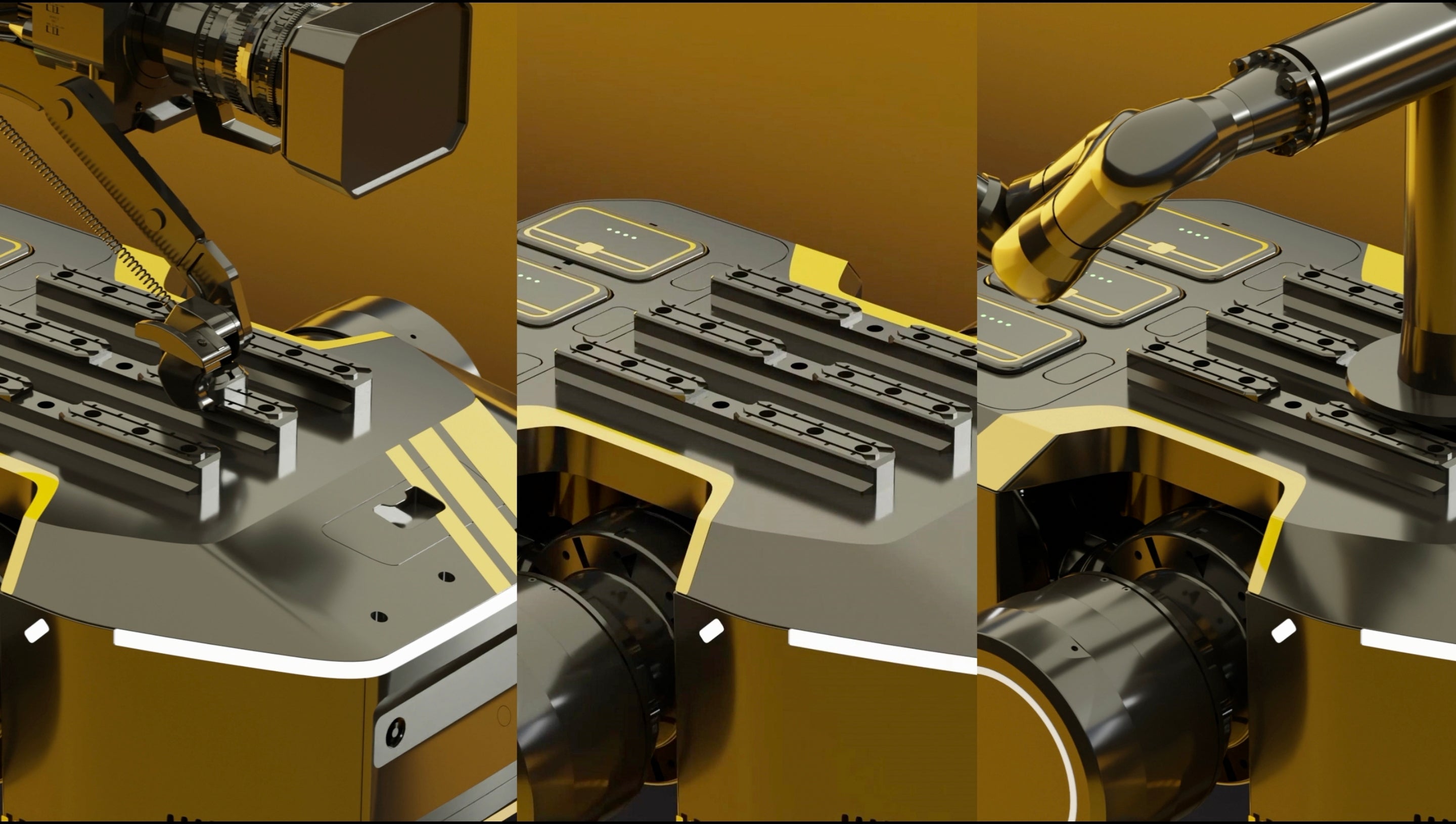
D1 Robot unboxing starts with checking every accessory, confirming the battery condition, inspecting motor cables, and verifying that sensors are securely mounted before powering on the system. Most developers spend 20–40 minutes completing the first setup, while Ubuntu installation, software updates, and ROS configuration usually require another 30–90 minutes depending on the network speed and hardware. Following the correct order reduces unnecessary troubleshooting and prepares the robot for navigation, vision, mapping, and application development from the first boot.
Opening the D1 Robot package is more than removing protective foam and plastic. A complete package normally includes the mobile base, battery, charger, controller, onboard computer, camera, LiDAR, antennas, cables, and documentation. Before assembly, compare every item with the packing list and inspect connectors for bent pins or loose cables. Shipping vibration can occasionally loosen fasteners, so a visual inspection takes only a few minutes but helps avoid hardware problems later. In a 2024 robotics hardware survey, more than 60% of first-time setup issues were related to incorrect cable connections or incomplete hardware checks.
That inspection naturally leads to assembly. Install the battery, attach removable modules, connect communication cables, and make sure the emergency stop button remains easy to reach. Tighten mounting screws without excessive force, since over-tightening can damage threaded inserts. If the robot includes a LiDAR and RGB camera, clean the lenses with a microfiber cloth before the first startup.
A flat floor with at least 2 × 2 meters of free space is usually enough for the first movement test and sensor verification.
Once the hardware is ready, power on the robot and wait until Ubuntu finishes loading. A typical embedded computer boots within 1–3 minutes, depending on storage speed and background services. Before installing development tools, connect the robot to a stable internet connection and install the latest operating system updates. Ubuntu LTS releases receive security maintenance for several years, making them a common choice for robotics research, university labs, and commercial development.
Software preparation continues with the robotics framework. Most developers install ROS or ROS 2 together with packages for navigation, image processing, mapping, and hardware communication. Building a clean workspace before adding project files helps reduce dependency conflicts later. Keeping project repositories under Git version control also makes software updates easier when multiple developers work on the same platform.
Many users also follow Direct Drive D1 tutorials while configuring drivers, checking firmware versions, and learning the recommended startup sequence. These guides usually cover camera setup, LiDAR communication, controller updates, and basic motion tests, allowing new users to compare their configuration with documented examples.
The next step is checking each device individually instead of testing everything at once.
| Component | What to Verify | Typical Time |
|---|---|---|
| Battery | Charging status and voltage | 5 min |
| Camera | Live image output | 3–5 min |
| LiDAR | 360° scan data | 5 min |
| Motors | Forward, reverse, turning | 5–10 min |
| Network | Local IP and internet access | 2–3 min |
Testing components separately makes it easier to identify connection or driver problems before moving to more advanced applications.
Navigation and perception development usually begin after every sensor reports normal data. A camera can be checked using a live preview, while LiDAR data should display a continuous scan without missing sectors. If an IMU is installed, moving the robot by hand should produce changing acceleration and orientation values. Modern mobile robots often publish dozens of software topics simultaneously, and medium-sized ROS projects commonly contain 50–200 active nodes during full navigation testing.
Recording short log files during the first drive provides useful reference data when comparing future software changes or hardware upgrades.
Routine maintenance should also become part of the development process. Recharge lithium batteries before long storage periods, inspect wheel wear every few weeks, remove dust from cooling fans, and install operating system updates regularly. Battery performance gradually decreases after several hundred charging cycles, so checking battery health every 6–12 months helps maintain consistent operating time. Backing up configuration files before major software updates also reduces recovery time if package compatibility changes after an upgrade.
Developers who follow a consistent setup process generally spend less time repeating installation work and more time building navigation, computer vision, robotic arm control, autonomous inspection, or AI applications on the D1 Robot platform.